

Observing Cape Cod - Part Two: The psychology of seeing
In the previous essay, I wrote about observation as a practice of attention. I described Cape Pines not simply as a fine art photography business, but as a way of slowing down and noticing what is already present. The shifting light on water, fog moving over the salt marshes, weather shaping the dunes, and the countless small changes that often pass unseen.
I have often thought of observation as more than just a photographic technique, there is also a psychological component to it too. To observe deeply is to engage with the world differently. It is to move beyond recognition into awareness. To move beyond simply identifying what is in front of us and beginning to experience it more fully. Most of our lives are lived through familiarity, and quickly run on auto-pilot or system one thinking.
The human brain is remarkably efficient. It constantly filters information, reducing the overwhelming complexity of the world into patterns, heuristics, and assumptions. Psychologists often describe this as automatic processing. We recognise a tree, a beach, a path, or a house almost instantly. Once recognised, our attention moves elsewhere. This process serves us well. Without it, everyday life would become exhausting and our we’d run out of energy fast. Yet there is a consequence to this.
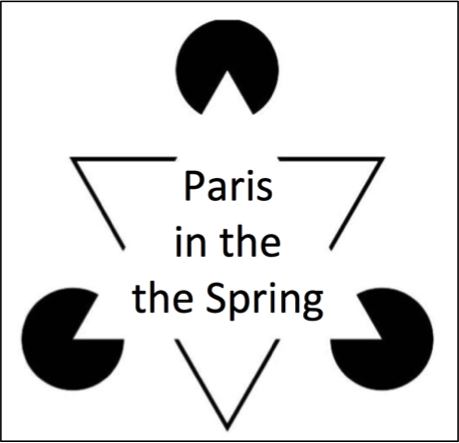
The familiar often becomes invisible; we stop noticing the places we know best. We take for granted the details of landscapes we encounter every day. We walk through environments carrying assumptions about what is there rather than attending to what is actually present. Observation interrupts this process, nudging us in to a more thoughtful way of thinking, asking us to remain with a scene longer than is necessary.
When I attended art college we were taught to stand before a landscape and delay judgement. Rather than immediately deciding what something is, attention is directed toward what it is becoming. Light changes, clouds gather, wind shift, tides rise and retreat and shadows lengthen. The landscape reveals itself not as a fixed object, but as a living process.
This is one of the reasons I find Cape Cod endlessly compelling. It is a place where change is constantly visible. The coastline is shaped by weather, tide, erosion, and season. Sandbars appear and disappear, salt marshes flood and drain, fog arrives without warning and dissolves just as quickly and pine forests bend under coastal winds. Every visit becomes a study of transformation.
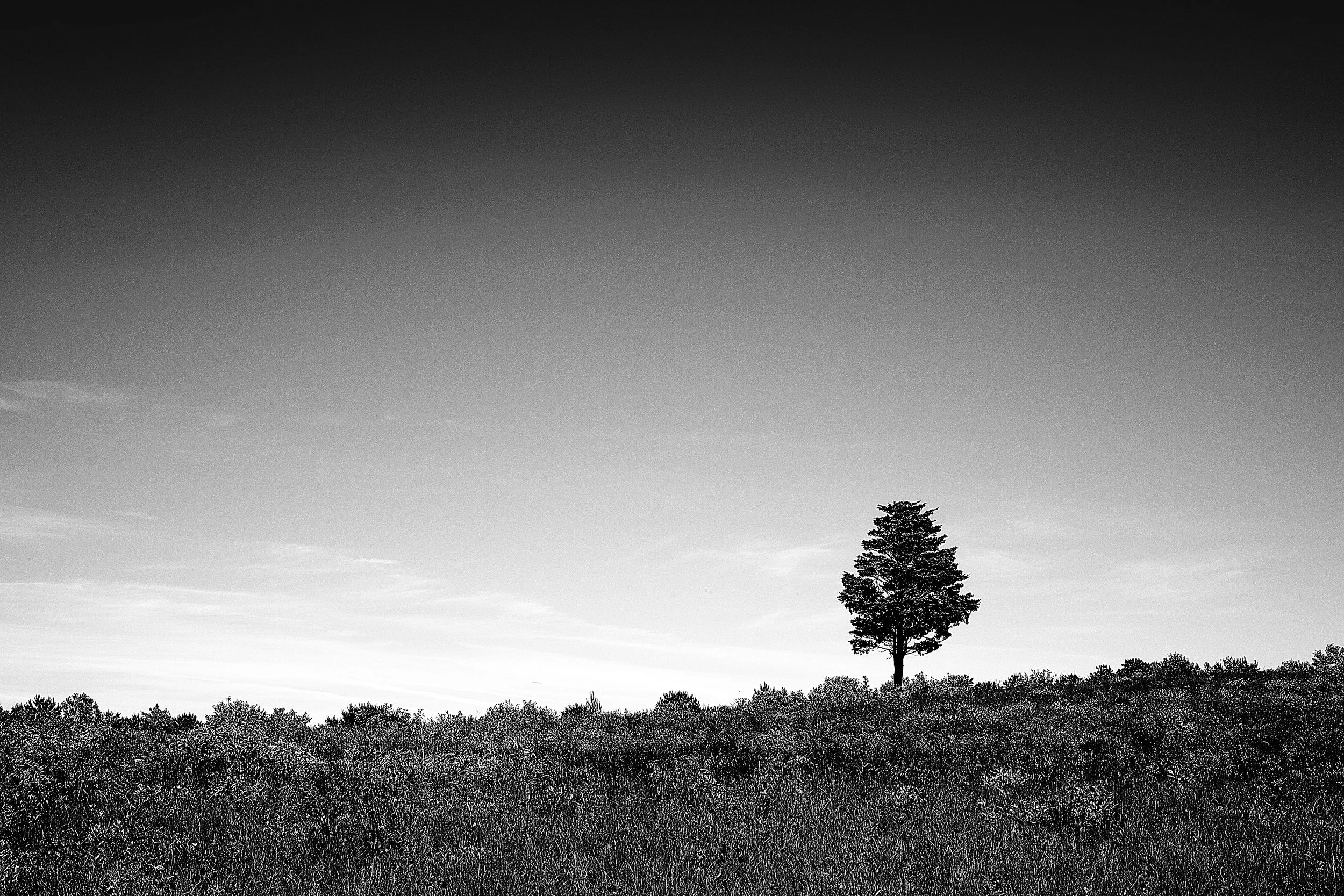
Lone tree along the Nauset trail on the Outer Cape Cod
Time is not hidden here, it is written into the landscape itself. Perhaps this is why Cape Cod rewards observation so generously. The longer and deeper you look, the more there is to see. What first appears still begins to reveal movement. What appears permanent reveals impermanence. What appears ordinary begins to carry significance.
Photography provides a framework for entering this state. The camera slows perception. Sometimes when I look through my viewfinder, it’s like looking into a different world, one of stillness, beauty and reflection; I get lost in there sometimes.
Particularly when working with analogue film, each frame carries weight and has value. There are no endless exposures, no immediate review, and no rapid correction. The process encourages patience and faith in your ability to capture the essence of that world in your viewfinder. Even when shooting digital, I tend to force the same philosophy onto myself by limiting how many photos I can take in one day. Waiting, watching, observing, and in so doing, something subtle begins to happen. The photograph becomes secondary and the act of observation becomes primary.
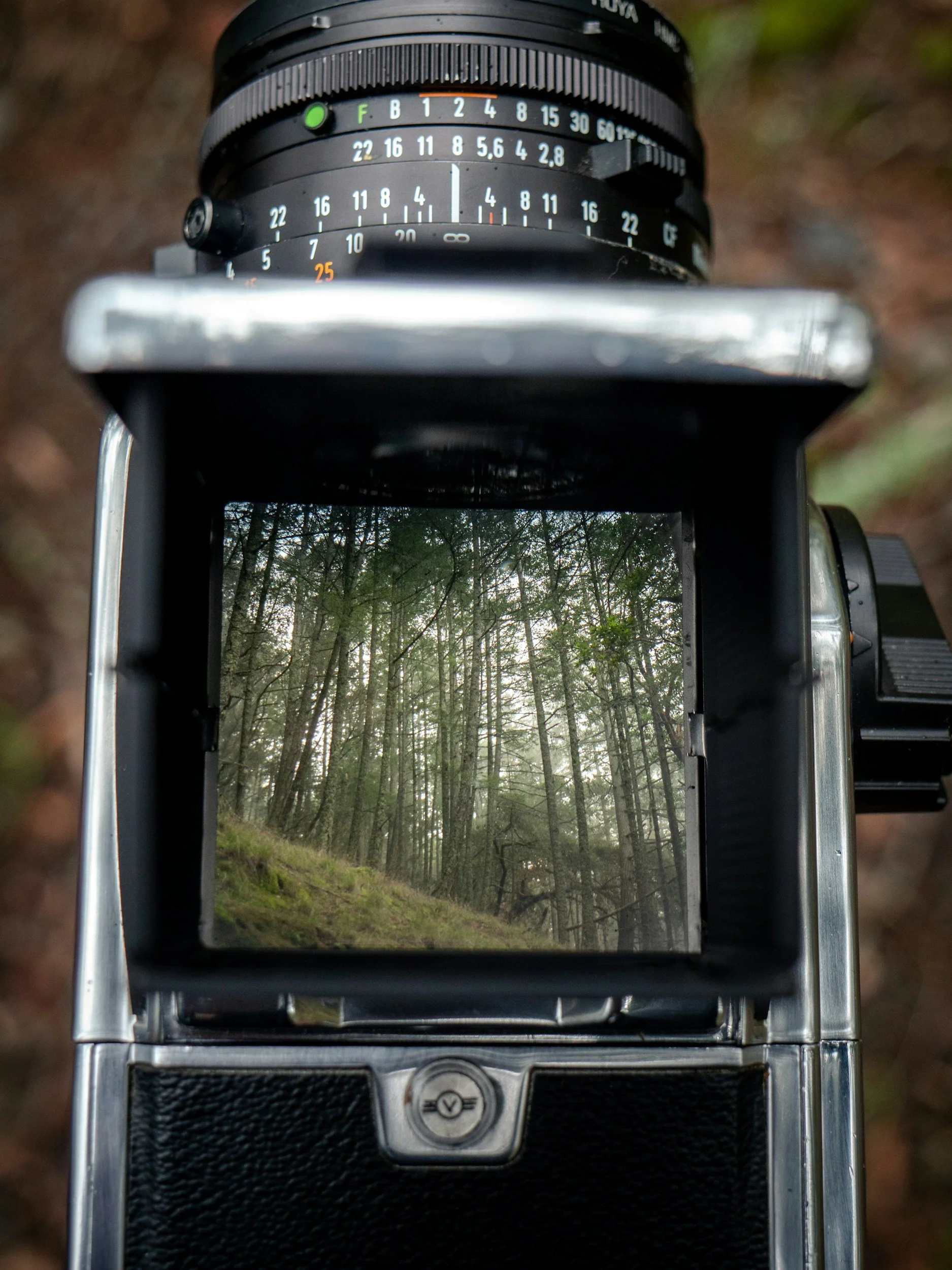
View through the Hasselblad 500cm’s viewfinder.
Many of the most meaningful images to me are not necessarily the most dramatic or technically impressive. They are often connected to the moments I felt most present within a place. Moments where the distinction between me as an observer and the landscape soften and where they become one. My attention settles completely on what is unfolding. This is where stillness emerges, a sort of flow if you will.
I’ve never thought of stillness as the absence of movement, but perhaps more to do with the quality of attention. The dunes continue to shift, the ocean continues to move, the wind continues through the pitch pines. Yet when attention becomes focused, a different experience begins to arise; the world feels quieter, not because it has changed, but because we have.
Stillness creates the conditions for reflection, and reflection is what remains after observation. It is the meaning that develops after the moment has passed. A photograph can preserve light, atmosphere, and form, but reflection preserves something less tangible. It carries the emotional resonance of a place. The feeling of standing within a fog-covered marsh at sunrise. The memory of light moving across weathered cedar. The sense of time held within a landscape that has witnessed generations before us. I believe a great photograph takes us back to those moments of stillness, again encouraging us to stop and decompress from the toil of the day’s hum and drum.
A good photograph creates experiences that linger long after the shutter has closed. This relationship between observation, time, stillness, and reflection sits at the heart of Cape Pines. They are not separate principles, but form a continuous set of principles I use as a fine art photographer.
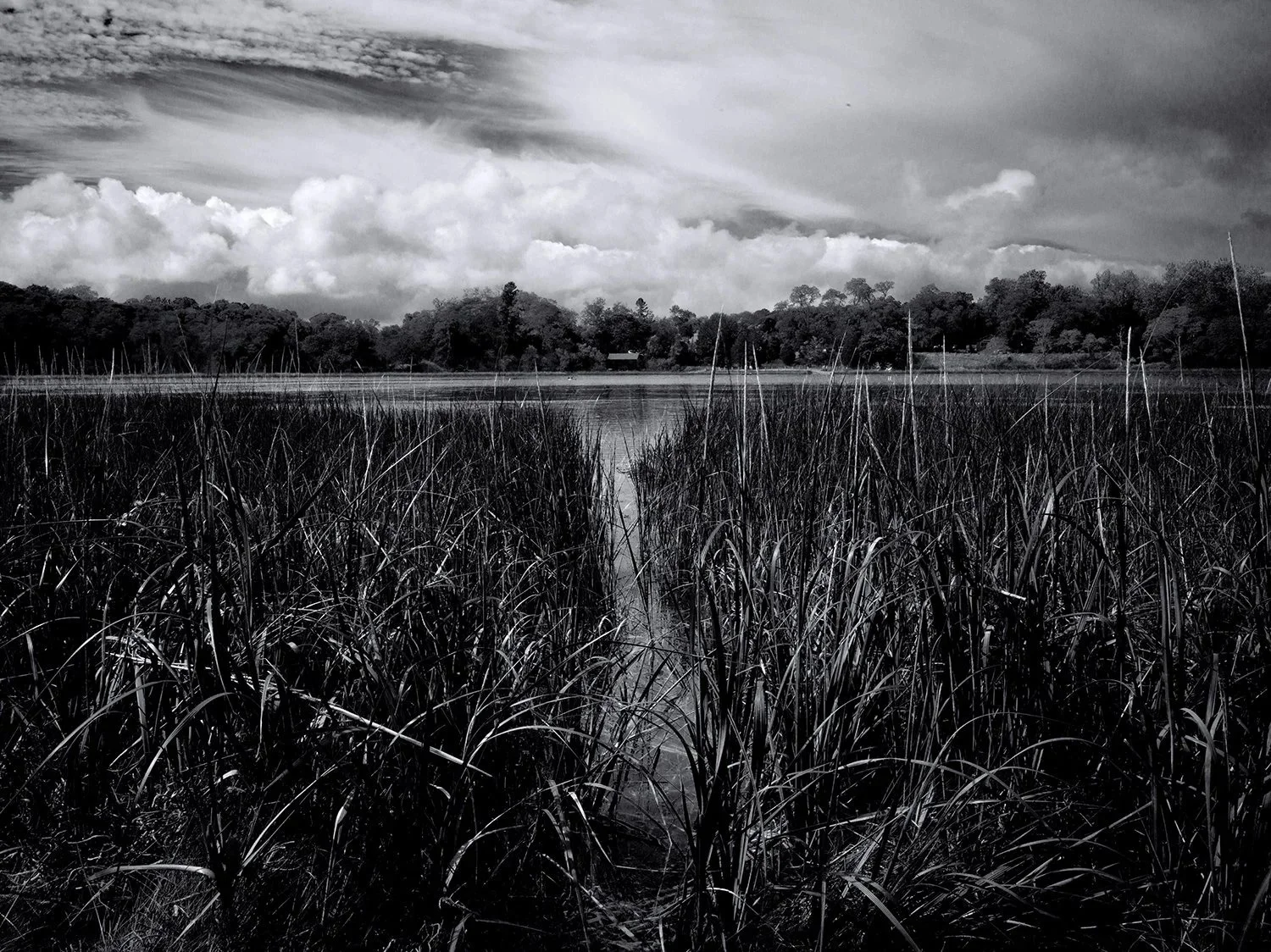
A moment of stillness; looking out over the tall grass to the house on Nauset Marsh.
Observation allows us to see, time reveals change, stillness creates presence and reflection gives meaning. Together they become a practice of attention. A way of engaging more deeply with our landscapes and environments and, perhaps, with ourselves.
As I continue preparing for the upcoming Thoreau project this autumn, these ideas remain close at hand. Thoreau understood that observation was not passive. It was an active engagement with the world. His writing demonstrates an attentiveness that transforms ordinary encounters into meaningful experiences.
The challenge he presents is as relevant today as it was in the nineteenth century, and given our reliance on mobile devices perhaps needed now more than ever. Do we truly see what is in front of us? Can we resist the urge to move immediately to the next thing? Can we remain with a landscape long enough for it to reveal itself? These are not simply photographic questions. They are questions about how we live.
Cape Cod continues to offer its own quiet answers. One tide, one fog bank, one lone cloud out on Brewster Flats at a time.
Sincerely,
G.