

Topophilia and Place Identify
Have you ever visited somewhere for the very first time, yet felt an inexplicable pull to return? A feeling that somehow, despite having only just arrived, this place feels familiar. Perhaps even like home. I have often wondered what that feeling is.
In psychology and environmental studies, there are several ways of describing our emotional relationships with places. One is place attachment: the emotional bond that develops between a person and a particular environment. Another, perhaps more evocative word, is topophilia; a love of, or emotional connection to, a particular place or physical environment.
I have travelled to many parts of the world and have been fortunate enough to experience some extraordinary places. Places filled with culture, history, beauty and countless things to photograph. Yet I have never felt the pull of a place quite like I have felt for Cape Cod.
Over 15 years ago, we visited the Cape for the first time. In hindsight, we probably chose the worst possible time. It was August, at the height of the holiday season, when the Cape is at its busiest. There were crowds, traffic and all the familiar trappings of a popular summer destination, yet, something unexpected began to happen. Slowly, almost imperceptibly, I began to feel at home. I felt at ease at peace and perhaps most surprisingly of all, I felt a sense of belonging.
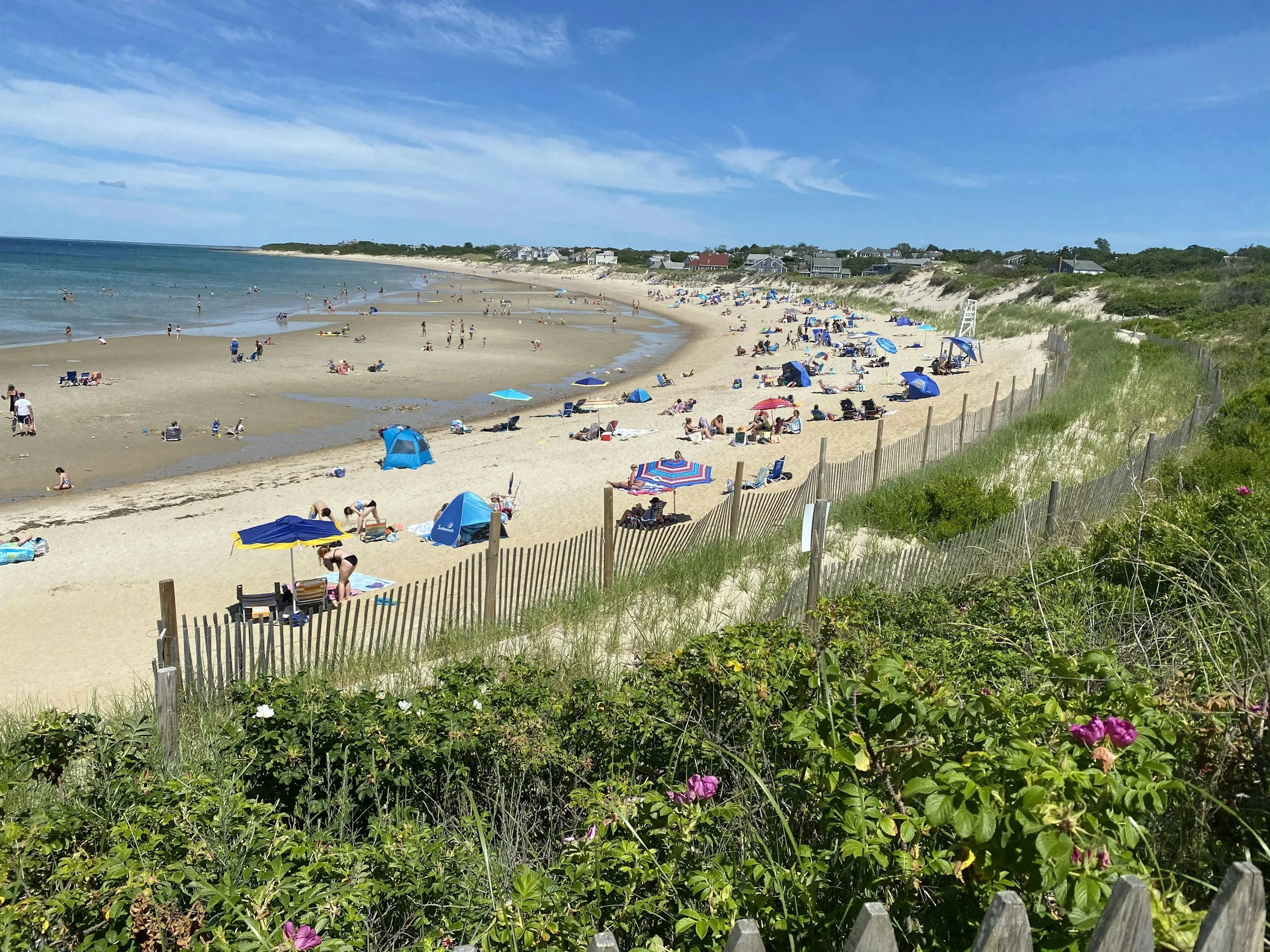
Stock image of Cape Cod in the height of tourist season.
It wasn’t the holiday atmosphere that drew me in. It wasn’t the crowds or the busyness or the things that make the Cape such a popular summer destination. It was the quieter places, the ocean, the fog, the changing light, the Pitch Pines, marshes and weathered nature of this place.
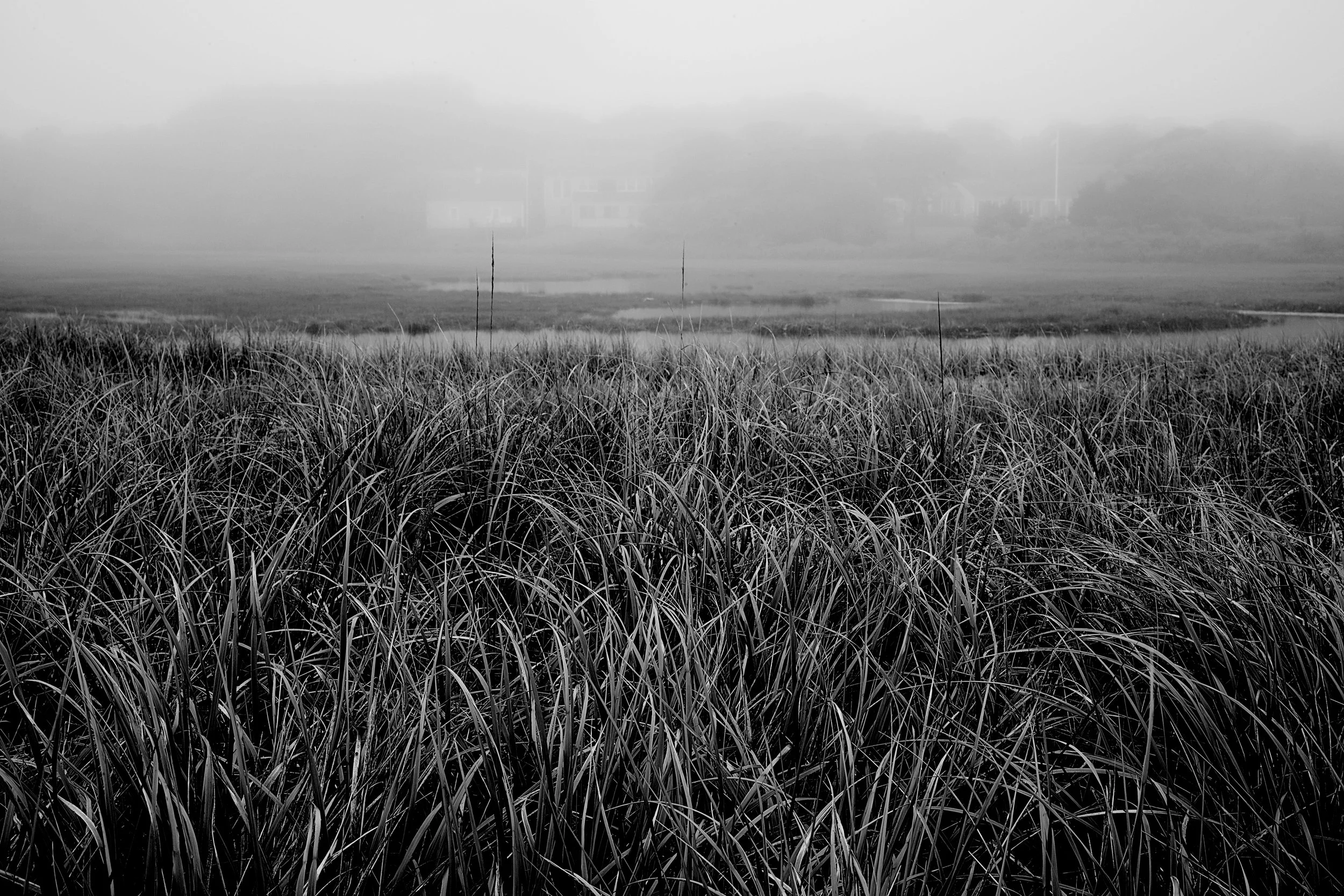
Salt marshes out on South Chatham, Cape Cod MA.
The feeling of standing on a small, fragile piece of land reaching out into the vastness of the Atlantic Ocean. There was something about the Cape’s vulnerability that resonated with me. It is exposed to the elements, shaped and reshaped by wind and water, and yet it endures. There is a particular kind of beauty in that combination of fragility and resilience that I find deeply moving.
Perhaps this is where the psychology of place begins to help explain what I feel. We don’t simply experience places through our eyes. We experience them through memory, emotion, our senses and our sense of identity. Places can become intertwined with who we are and how we understand ourselves. Over time, a place can become part of our story.
This is what psychologists and environmental researchers often describe as place attachment. It is the emotional bond between people and places, a relationship that can influence how we feel, behave and even think about ourselves.
But I think there is something more poetic in the idea of topophilia. The word comes from the Greek topos, meaning place, and philia, meaning love or affection; a love of place. Perhaps topophilia is what happens when a particular environment seems to resonate with something already present within us. When a place feels right, when we don’t simply appreciate where we are, but feel that somehow we belong there.
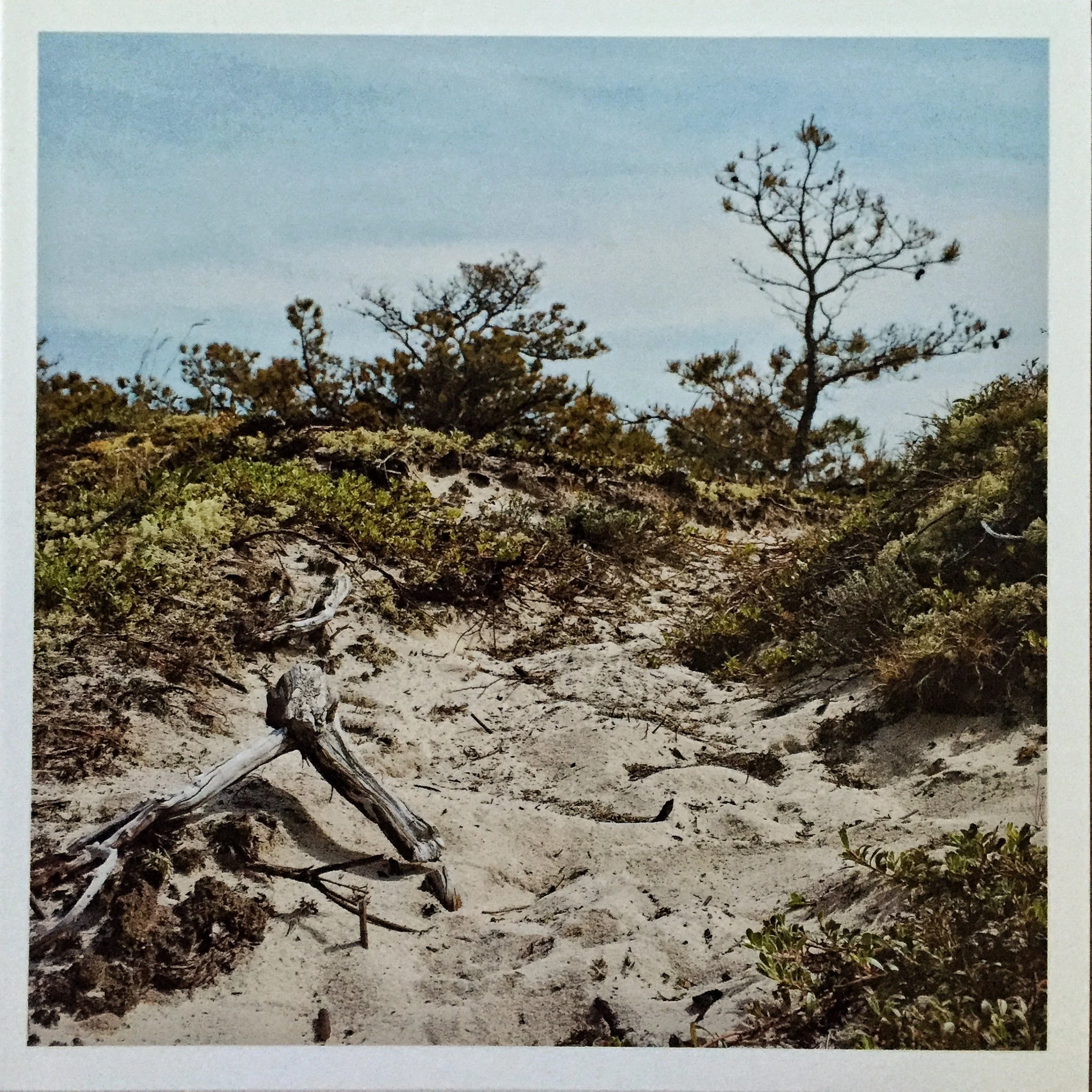
Sand dunes out along Truro, MA.
For me, the Cape feels like that, but where does that feeling come from? I have wondered about this many times. Perhaps part of it comes from being English. I grew up in Nottinghamshire, far from the sea, but during my formative years our family would often holiday on the East Coast of England. The sea was therefore woven into my childhood memories: the smell of salt air, the sound of waves, the wind, the changing weather and the feeling of being exposed to the elements. Perhaps those early experiences created an emotional template that I still carry with me.
The places we experience in childhood can become deeply embedded in our memories. Long after we have left them, certain smells, sounds, colours or landscapes can bring back feelings we thought we had forgotten. Perhaps the Cape, in some small way, feels familiar because it echoes something from those early experiences.
But I feel there may be something more. I remember my father, throughout his life, wanting to move closer to the sea. We lived inland, yet he always seemed to feel that somehow he belonged nearer the coast. As children, we absorb more from our parents than we perhaps realise. We inherit not only their physical characteristics but, through experience and upbringing, aspects of how they see and respond to the world. Perhaps my own longing for the sea is partly connected to that. Perhaps I learned, without realising it, that the coast was somewhere one could feel more at home.
There is also my family’s Scandinavian heritage. My grandmother on my father’s side was half Scandinavian, and our family retained little traditions that had been passed down through generations; such as giving a silver coin in return for a gifted knife. It would be tempting to wonder whether my attraction to the sea and northern landscapes has something to do with genetics. But there is no scientific evidence that we inherit specific memories or an ancestral longing for particular landscapes. Our genes may influence aspects of personality and temperament, but they don’t carry memories of places our ancestors once lived.
Perhaps, then, my attachment to Cape Cod is not the result of any one thing. Perhaps it is the product of many small threads woven together. My childhood memories, family, temperament, experience, the environments that shaped me. The places I have loved, and perhaps, occasionally, we encounter a place that seems to fit something deep within ourselves. A place that reflects something we didn’t know we were looking for.
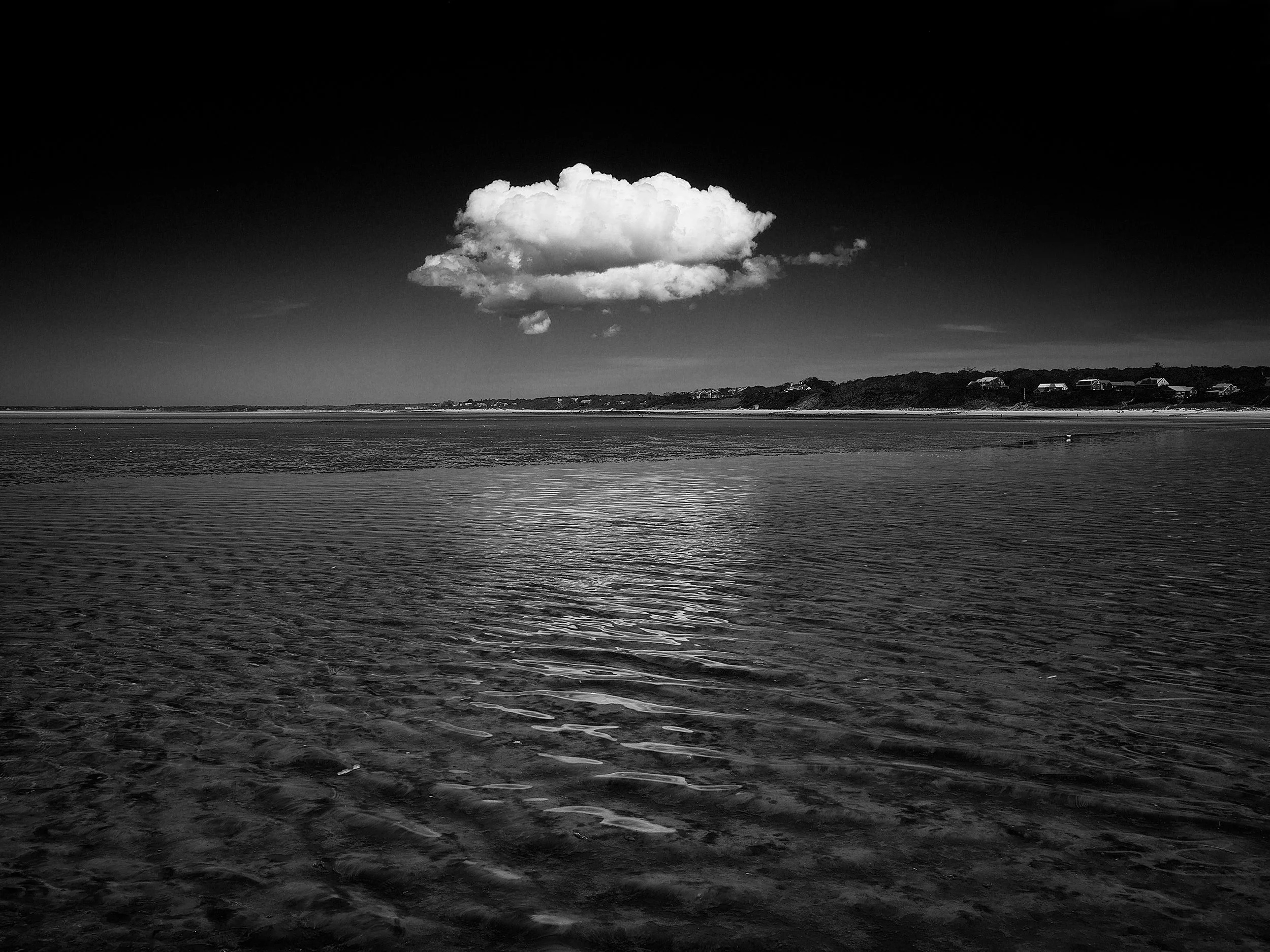
Cloud out on Brewster Flats, Brewster, MA.
Whatever the reason, the feeling is real, every time I have left Cape Cod, I have felt it. A feeling that seems to come from somewhere deeper than thought, a physical and emotional reluctance to leave, the sense that I should stay. That I have somehow found a place where I can be at peace, where I can breathe a little more deeply and feel a little more like myself.
Maybe this is the strange paradox of place attachment. Sometimes we don’t know that a place is important to us until we have to leave it. It is only when we are separated from somewhere that we discover how deeply it has become part of us.
For now, I have to make do with returning for a couple of weeks at a time, preferably when the summer crowds have gone and the Cape becomes quieter again. But I hold onto the hope that one day I might be fortunate enough to call it home. To wake up with the smell of the ocean blowing in through the window, the fog rolling in off the ocean and a log on the fire.

To spend my days photographing the places that continue to inspire me and to walk the beaches in the changing seasons, and perhaps, most importantly, to live somewhere that feels deeply congruent with who I am.
Maybe that is what a sense of place really means, not simply knowing where you are but recognising yourself in the place where you are. Perhaps that is what topophilia really is. The love of a place that, for reasons we may never fully understand, feels as though it has been waiting for us.
Have you ever felt this way about a place? I’d love to hear where it is, and what you think draws you back to it.
If you enjoyed this article, please consider signing up for my monthly journal about photography, Cape Cod and the quieter side of life.
Sincerely,
G